Royal Biography
His Majesty King Prajadhipok (Rama VII)
Royal Biography His Majesty King Prajadhipok (Rama VII)
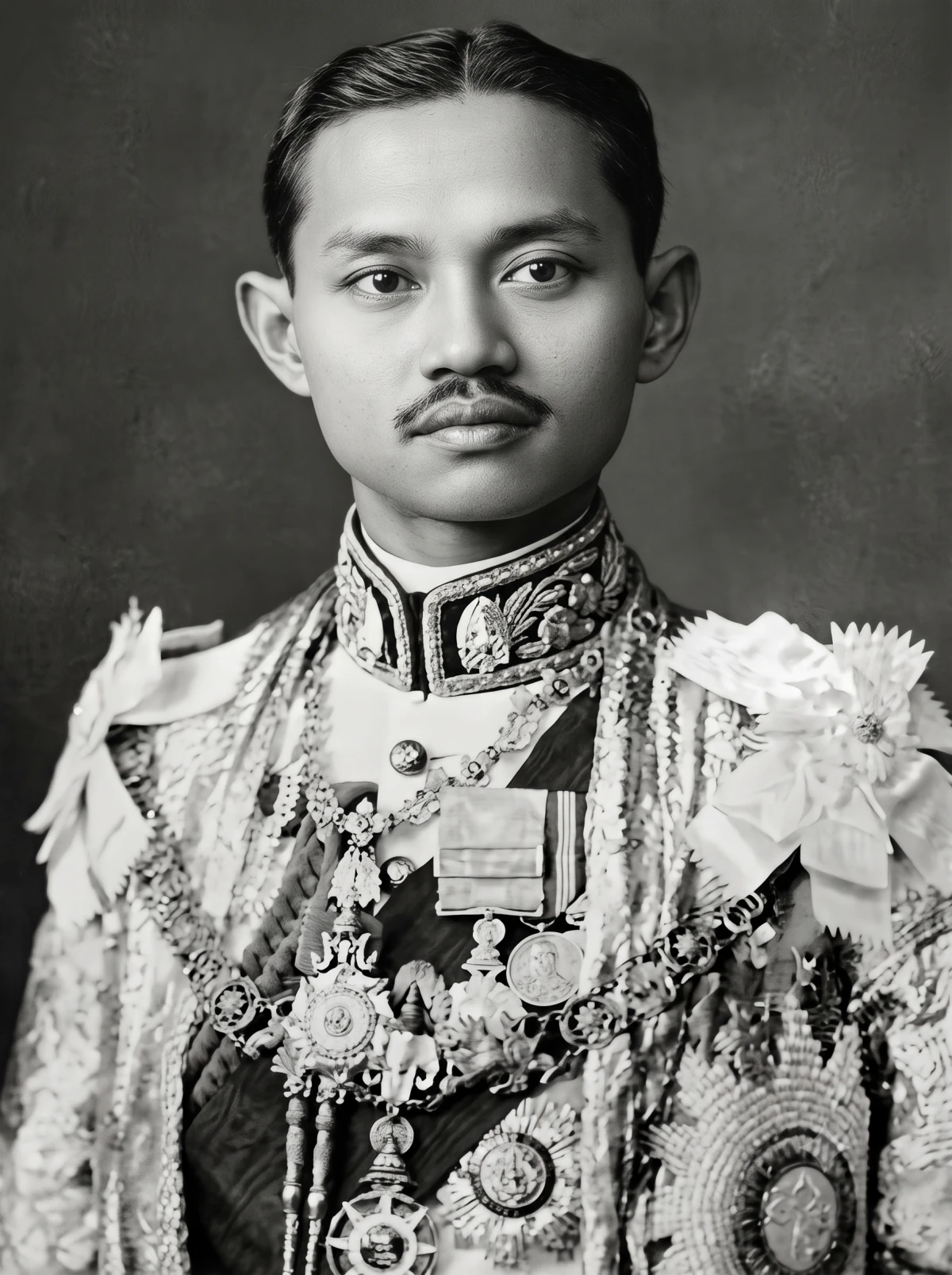
His Majesty King Prajadhipok (Rama VII) was the seventh monarch of the Chakri Dynasty and played a significant role in the political and constitutional history of Thailand. He was the last monarch under the absolute monarchy and the first constitutional monarch.
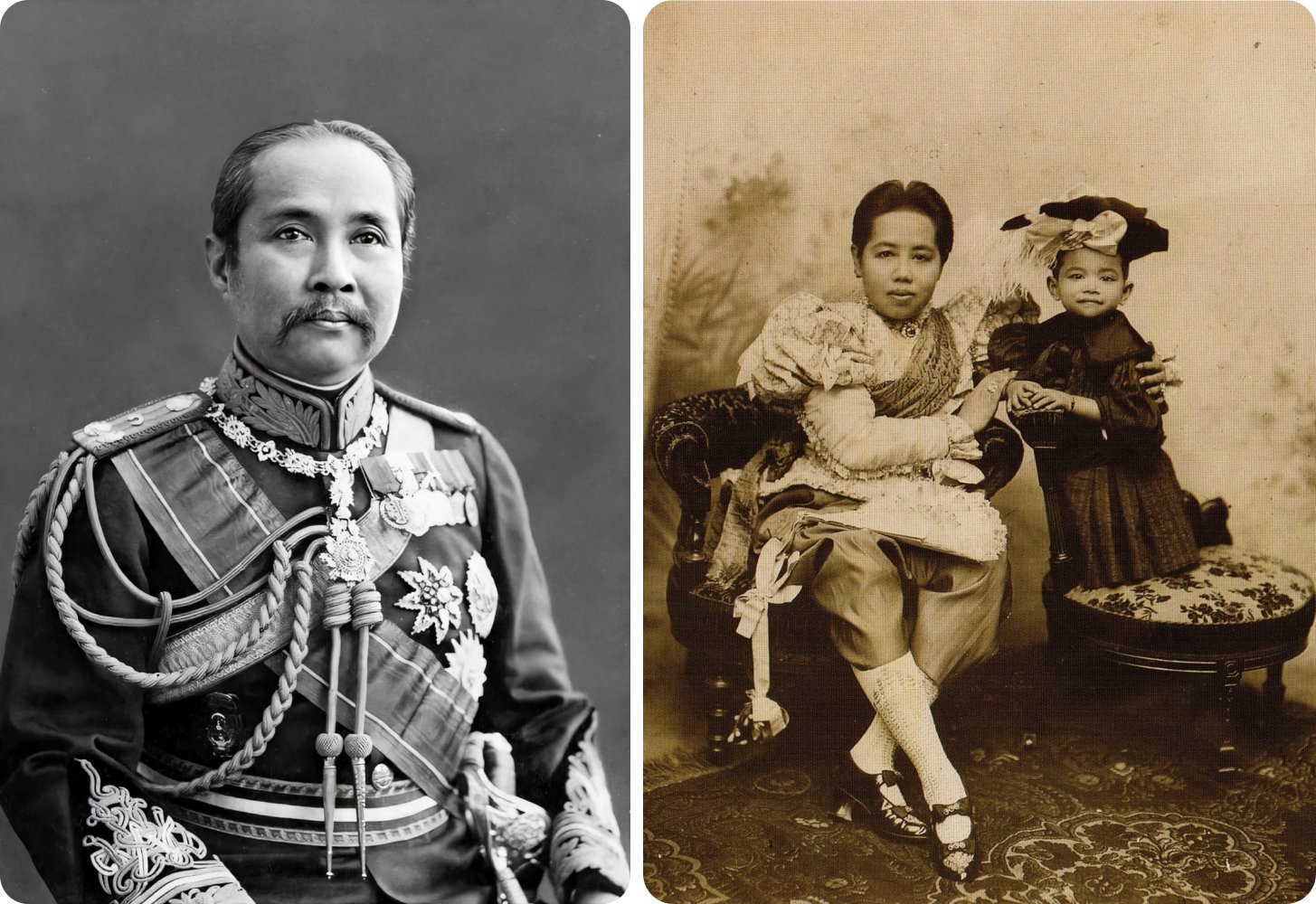
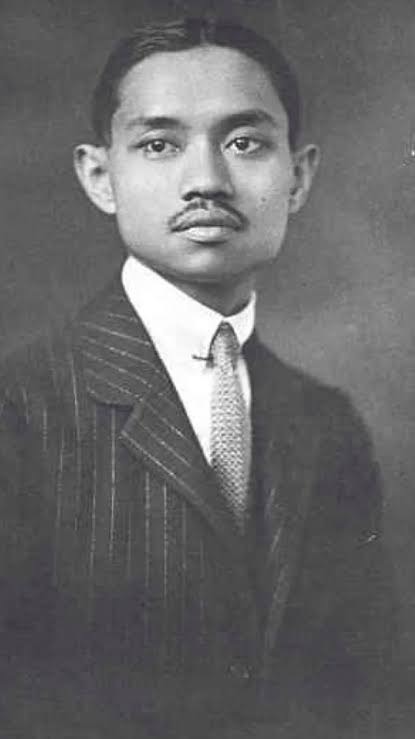
His former title was His Royal Highness Prince Prajadhipok Sakdidejana, Prince of Sukhothai. He was the 76th son of His Majesty King Chulalongkorn and the ninth son of Her Majesty Queen Saovabha Phongsri. He was born on 8 November 1893 at the Sutthasri Apirom Throne Hall in the Grand Palace.
During his childhood, His Majesty received an education according to the traditions of the Royal Court before continuing his studies in England at Eton College and the Royal Military Academy, Woolwich, where he studied artillery. His experience of studying and living abroad provided him with an opportunity to learn about Western political systems, public administration, and democratic ideas, which later influenced his vision for the development of the country.
After completing his studies, His Majesty served in the British Army and was stationed at Aldershot. During this period, World War I broke out. He wished to join his British military classmates in battle on the Continent. However, King George V did not grant permission as he was a younger brother of His Majesty King Vajiravudh (Rama VI), and Siam was maintaining neutrality at the time. He was instructed to return to Siam.
Upon his return to Bangkok, His Majesty entered service in the Royal Thai Army as a Second Lieutenant. By 1917, he had attained the rank of Major and served as Commandant of the Junior Army Cadet School. Throughout his service, His Majesty carried out his duties with dedication and diligence and maintained a strong interest in the development of the country’s military affairs.
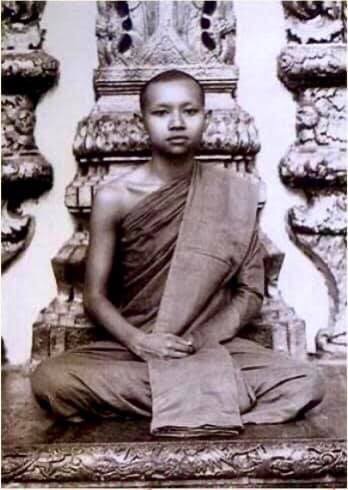
In 1917, His Majesty took leave from official duties to enter the monkhood at Wat Phra Si Rattana Satsadaram, taking the monastic name “Pachathipo.” He then resided for one Buddhist Lent at Wat Bowonniwet Vihara. This was in accordance with traditional royal customs and reflected his exemplary conduct and devotion.
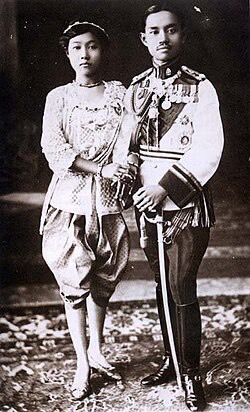
On 26 August 1918, His Majesty married Her Serene Highness Rambhai Barni Svasti in a royal ceremony at Bang Pa-In Palace. They were the first couple in Siam to officially register their marriage. His consort was the daughter of His Royal Highness Prince Svasti, and Her Royal Highness Princess Abha Barni (née Gagananga). She was later elevated to the title of Her Majesty Queen Rambhai Barni. The royal couple carried out their royal duties together for the benefit and well-being of the people and the nation.
Following his accession to the throne on 26 November 1925, His Majesty faced challenges in both the economic and administrative affairs of the country during a period of rapid global change. Although he reigned under an absolute monarchy, His Majesty sought to gradually develop the system of public administration and promote greater public participation. He laid foundations for local administration, modern public administration, and preparations for a transition to constitutional government.
When the change in government took place on 24 June 1932, His Majesty chose a peaceful approach in order to maintain peace and stability in the country. On 10 December 1932, he granted the first permanent constitution to the Thai people, marking an important milestone in the development of Thailand’s democratic system.
Although differences later arose regarding the direction of the country’s administration, His Majesty remained committed to the fundamental principles of governance that respected the rights, freedoms, and equality of the people. This ultimately led to his decision to abdicate the throne on 2 March 1934. In his royal letter of abdication, he stated:
“I am willing to relinquish the powers which I formerly exercised to the people as a whole. However, I do not consent to surrender all my powers to any individual or any particular group, to exercise those powers absolutely and without heeding the true voice of the people.”
Following his abdication, His Majesty resided in England and passed away on 30 May 1941 at Compton House, Virginia Water, Surrey, England, from heart failure, at the age of 47.
Throughout his life, His Majesty King Prajadhipok devoted himself to the benefit of the nation and played an important role in laying the foundations for Thailand’s transition toward constitutional government. His royal contributions continue to have a lasting significance for the development of Thailand and Thai society to the present day.
Key Milestones in His Life
8 November 1893
His Majesty King Prajadhipok was born at the Suttha Srisarabhiman Throne Hall, located within the Inner Court of the Grand Palace.
He was given the title His Royal Highness Prince Prajadhipok Sakdidej.
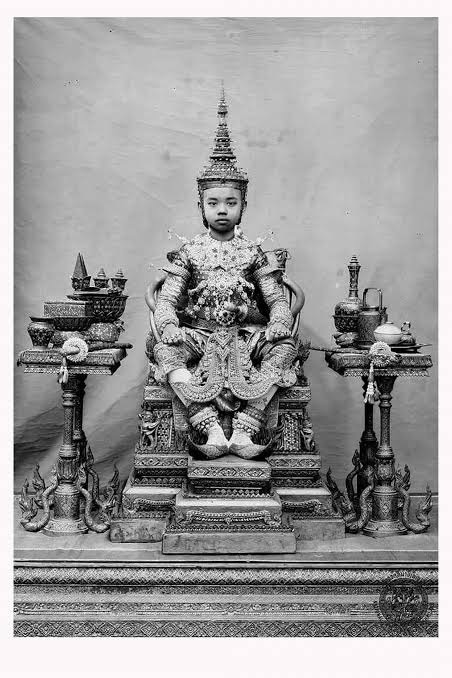
10 March 1905
His father, His Majesty King Chulalongkorn, bestowed upon him the title Krom Khun Sukhothai Dhammaraja.
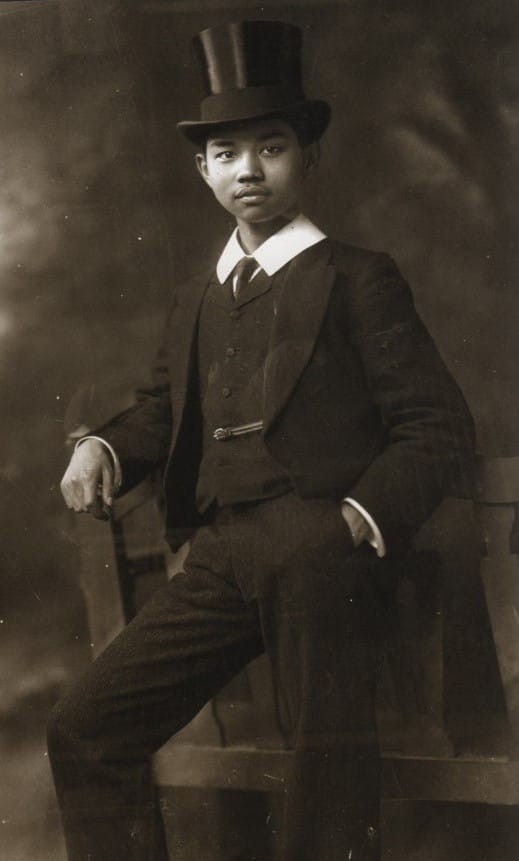
1905
At the age of 12, following his tonsure ceremony, His Highness traveled to England to pursue his education at Eton College.
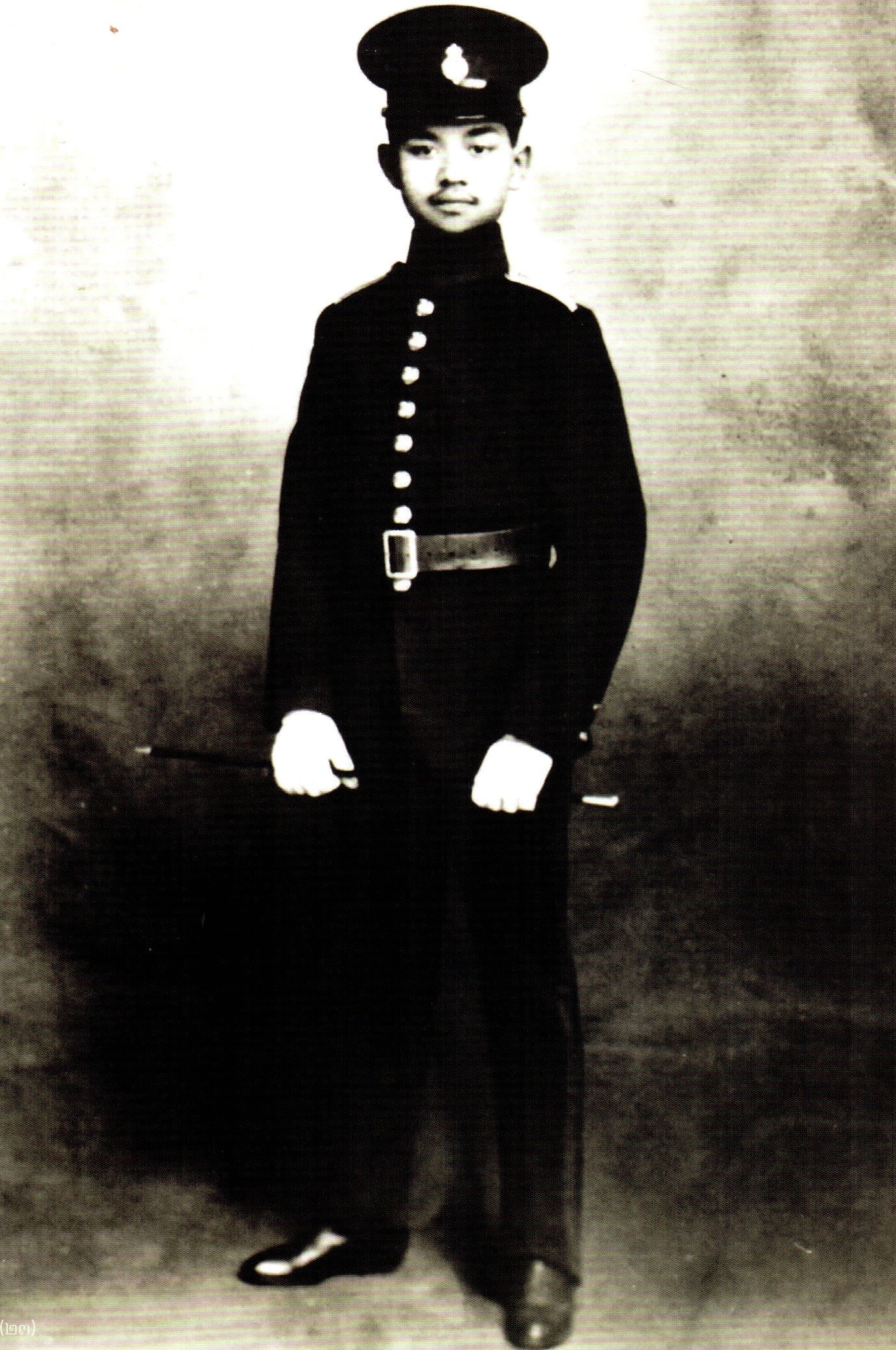
1913
He graduated from the Royal Military Academy, Woolwich, England.
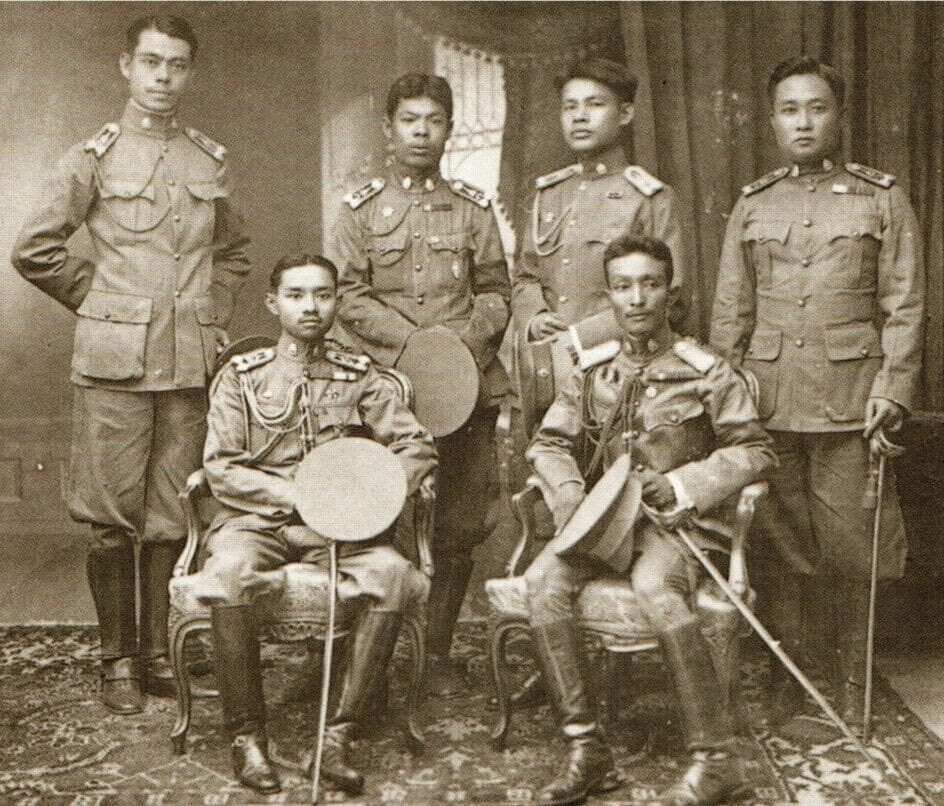
1914–1915
He served in the British Royal Horse Artillery. Following the outbreak of World War I, His Majesty King Vajiravudh instructed him to return to Thailand, where he subsequently served in the Siamese Army.
1917
He entered the monkhood at Emerald Buddha Temple and resided at Bowonniwet Vihara Temple for one Buddhist Lent.
26 August 1918
He married Her Serene Highness Rambhai Barni Svasti at the Varophas Phiman Throne Hall, Bang Pa-In Palace, Phra Nakhon Si Ayutthaya Province.
1920–1924
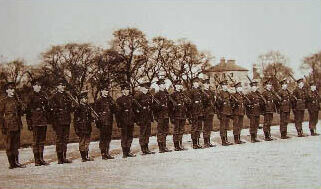
He traveled to France to pursue military studies at the École de Guerre.
26 November 1925
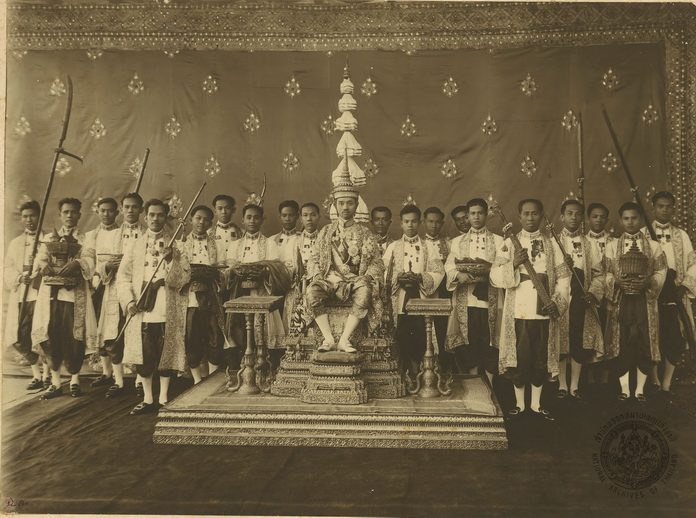
He ascended the throne as the seventh monarch of the Chakri Dynasty, succeeding His Majesty King Vajiravudh.
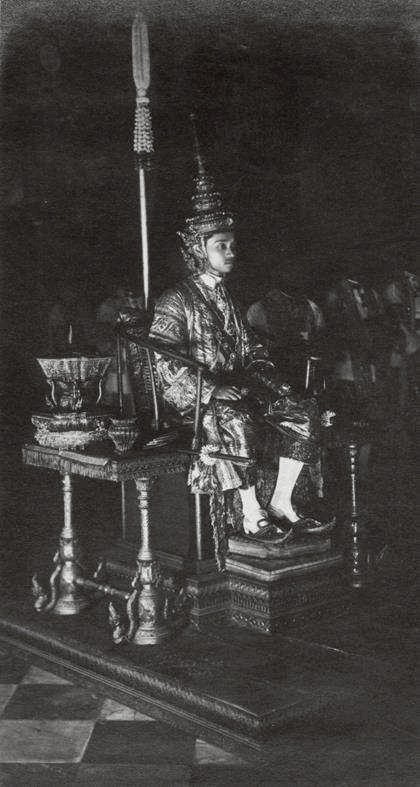
25 February 1926
He held his coronation ceremony at the Paisal Thaksin Throne Hall in the Grand Palace.
He was formally proclaimed His Majesty King Prajadhipok. In the afternoon of the same day, he elevated his royal consort to the title of Her Majesty Queen Rambhai Barni.
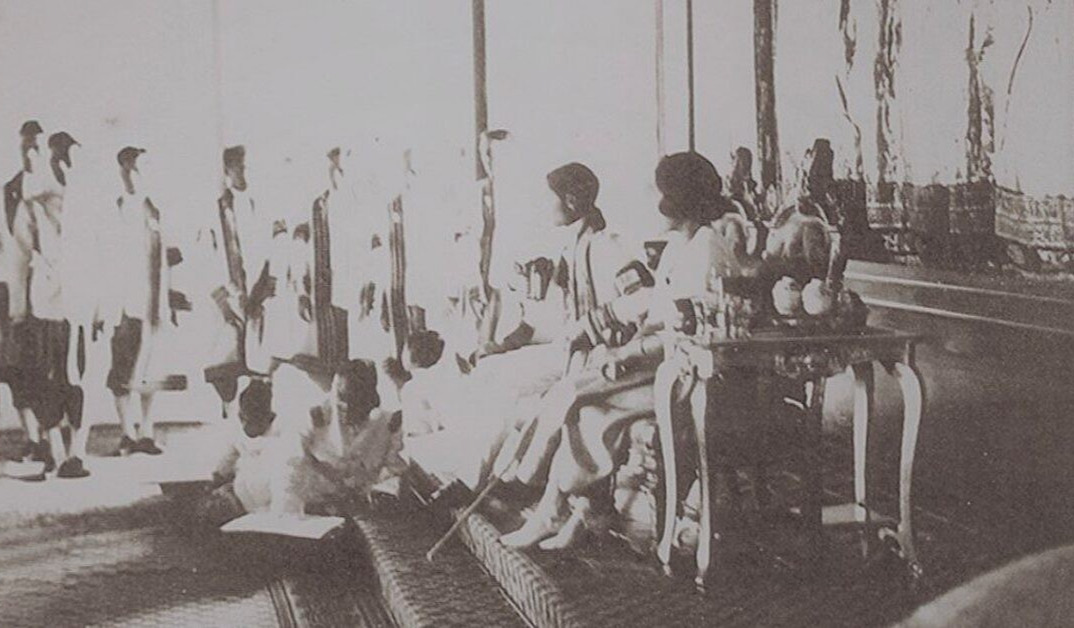
25 October 1930
He presided over the first degree conferment ceremony for graduates of Chulalongkorn University.
This marked the beginning of the royal tradition of conferring university degrees in Thailand.
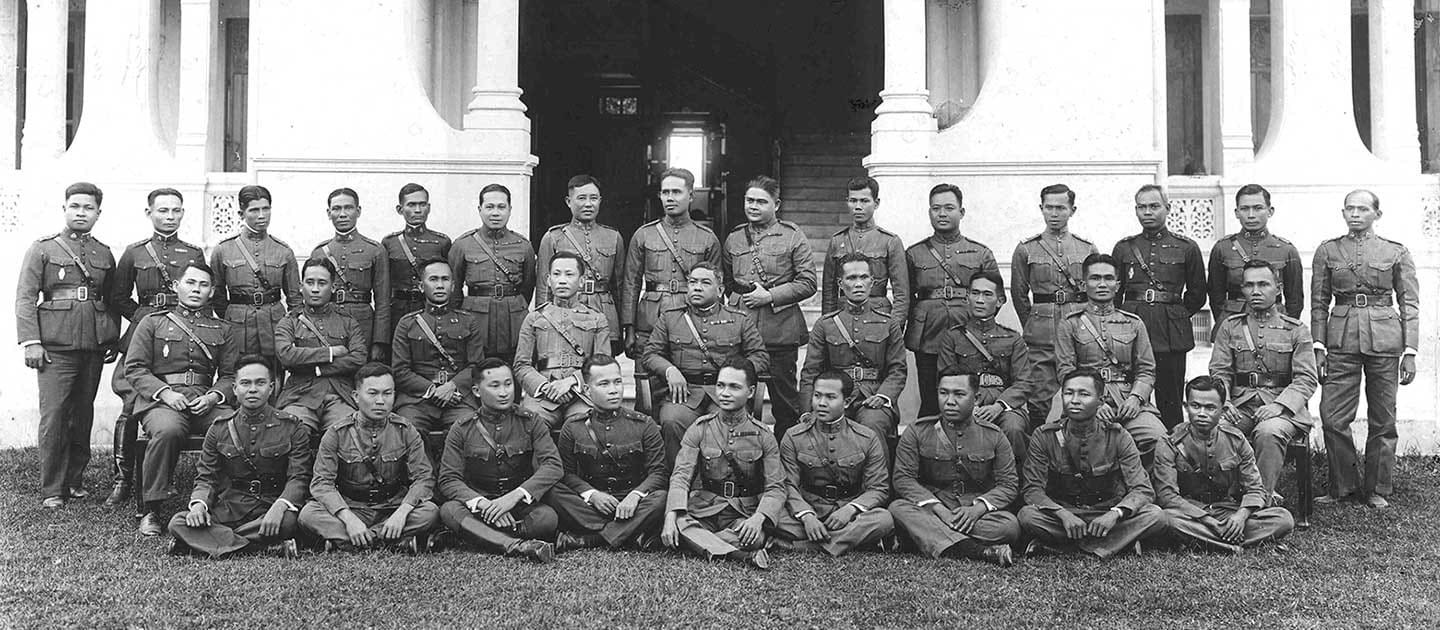
24 June 1932
He granted the first permanent constitution of the Kingdom of Siam at the Ananta Samakhom Throne Hall, Bangkok.
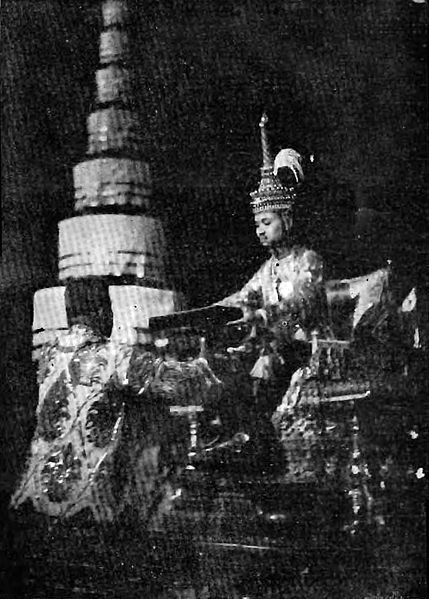
10 December 1932
He granted the first permanent constitution of the Kingdom of Siam at the Ananta Samakhom Throne Hall, Bangkok.
2 March 1935
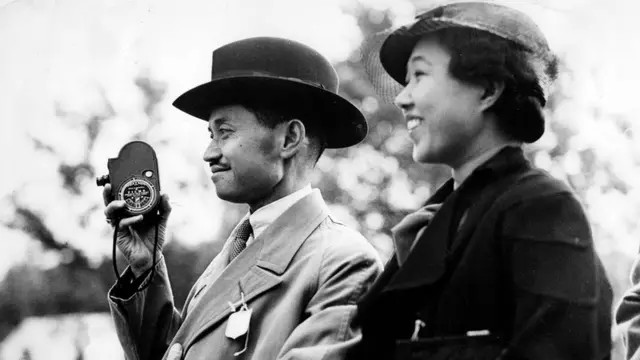
He abdicated the throne while residing in England, with the intention that the administration of the country should proceed in accordance with the principles of democracy and the rule of law.
30 May 1941
He passed away at Compton House, Virginia Water, Surrey, England, from heart failure, at the age of 47.
Royal Duties
Laying the Foundations for Democracy and Governance
His Majesty King Prajadhipok played an important role in laying the foundations for democracy in Thailand. He envisioned the country gradually developing toward constitutional government and prepared for political reforms to provide greater opportunities for the people to participate in the administration of the country.
His Majesty established the Supreme Council of State as an advisory body for the administration of state affairs and appointed members of the Privy Council to participate in considering matters of state. These initiatives promoted a more open form of public administration and encouraged the consideration of opinions from various parties.
He also initiated the concept of local government in the form of municipalities, allowing people to learn about public administration and self-government, which constituted an important foundation for democracy at the local level.
Following the change in government on 24 June 1932, His Majesty adhered to a peaceful approach in maintaining peace and order in the country. He signed and promulgated the permanent Constitution of the Kingdom of Siam on 10 December 1932, marking the beginning of a democratic system of government with the King as Head of State in Thailand.
State Administration and Economic Development
During his reign, Thailand faced an economic downturn resulting from the global economic crisis. His Majesty administered the affairs of state with prudence and placed great importance on the well-being of the people.
His Majesty implemented policies to maintain fiscal stability by seriously reducing public expenditure, including reducing his personal civil list, adjusting the national budget, restructuring government agencies, and cutting unnecessary expenses. These measures were intended to enable the country to overcome the economic crisis without placing an additional burden on the people.
At the same time, His Majesty supported the development of the grassroots economy by enacting the Cooperative Act B.E. 2471 (1928) to promote the formation of farmers’ groups, access to sources of funding, and sustainable self-reliance. This became an important foundation of Thailand’s cooperative system.
Education and Human Resource Development
His Majesty recognized that education was a fundamental foundation for national development and the development of quality citizens. He therefore supported the expansion of educational opportunities to people at all levels and abolished the collection of the Sueksa Phli education tax, helping to reduce the financial burden on the people and increase educational opportunities for young people throughout the country.
He promoted a more systematic approach to primary education, supported the development of educational institutions, and encouraged the development of knowledgeable and capable personnel to support the country’s future development.
Another significant royal contribution was the presentation of degrees to higher education graduates for the first time in Thailand at Chulalongkorn University in 1930. This subsequently became the model for the royal tradition of conferring university degrees that continues to the present day.
Medicine and Public Health
His Majesty King Prajadhipok placed great importance on the development of a modern public health system to ensure that the people could access health services comprehensively and to appropriate standards.
His Majesty modernized the structure of the Department of Public Health and expanded its responsibilities to cover health promotion, disease prevention, and medical treatment. He also supported the expansion of public health services to various regions of the country.
In the medical profession, His Majesty enacted legislation regulating the practice of the healing arts in order to establish professional standards and organize medical treatment, with modern and traditional medicine systematically distinguished from one another.
When a cholera outbreak occurred in 1926, His Majesty supported disease-control measures and the establishment of medical facilities to systematically accommodate patients. He also supported campaigns to prevent communicable diseases and smallpox vaccination in various provincial towns.
In addition, His Majesty continued to provide royal patronage to the Siam Red Cross Society, supporting medical care, relief efforts, and charitable activities for the benefit of the people.
Infrastructure and Public Utilities Development
His Majesty supported the development of infrastructure to improve the quality of life of the people and promote the country’s long-term development.
An important royal contribution was the construction of the Phra Phuttha Yodfa Bridge, also known as the Memorial Bridge (Phatthom Borom Rachanuson Bridge), the first bridge across the Chao Phraya River to permanently connect transportation between Phra Nakhon and Thonburi.
His Majesty also promoted the application of modern knowledge and technology to national development, including communications, transportation, and public utilities, enabling Thailand to keep pace with the changes of the modern world.
Arts, Culture, and the Preservation of National Heritage
His Majesty King Prajadhipok had a deep interest in the arts, culture, and preservation of the nation’s heritage. He recognized that the progress of the country should go hand in hand with the preservation of its identity and cultural values.
His Majesty supported the development of museums and the National Library as sources for preserving knowledge, history, and the nation’s cultural heritage.
He was also interested in photography and film, documenting important events in the country through moving images. He supported the construction of Sala Chalermkrung, one of the most modern theatres in the country at the time, which played an important role in the development of Thai performing arts and contemporary culture.